
Fern Capital Group Turns 1! And What a 'Fernomenal' Year It Has Been.
One year into building Fern Capital Group, we reflect on the thesis behind Dignity Fund I, what the market confirmed, what surprised us, and what we're looking for as we lean deeper into the 95% of women's health that capital has overlooked.
By Fern Capital Group
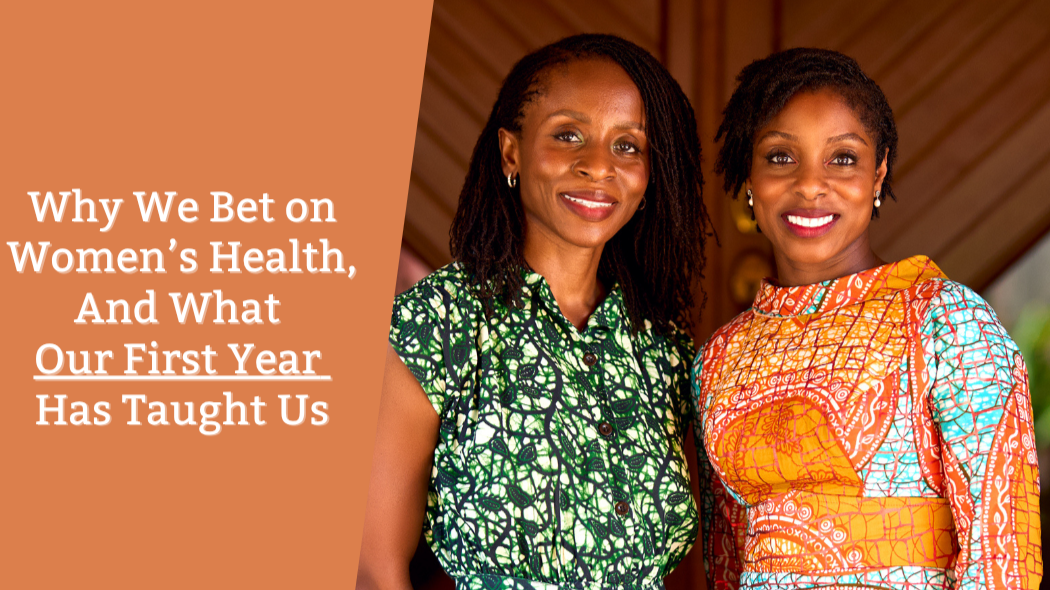
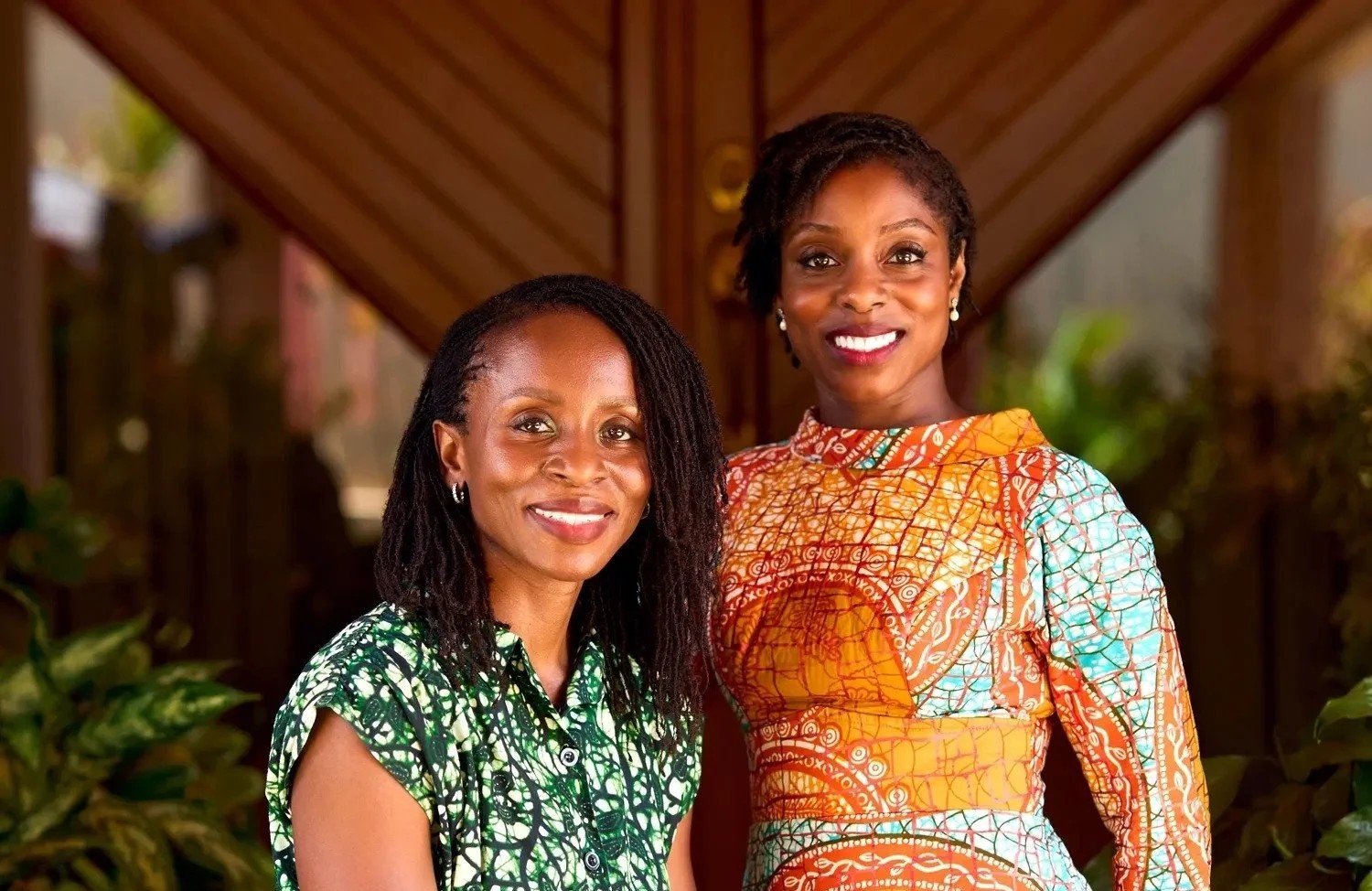
When we tell people we co-run an early-stage venture fund, we're often met with some version of: “You don't seem like typical VC investors.” We've stopped trying to unpack exactly what that means and instead, we've embraced what it reveals. Because the truth is, there is no single 'mould' for this work. One year into building Fern Capital Group, we're more convinced than ever that not fitting the template is our edge. What matters isn't conformity, but conviction: deep curiosity, the courage to back what others might overlook, and the discipline to stay humble; approaching every founder, every idea, with a genuine beginner's mind.
What we knew before we started
The only thing we know definitively about women's health is that we don't know nearly enough. The field has been shaped by decades of underfunding, underresearch, and a near-absence of women as capital allocators. Founders were building real solutions to real problems but too often pitching to generalist funds that lacked the sector knowledge or, frankly, the empathy to understand women's pain points. The space was dismissed as "niche." We saw it differently.
The Thesis at Launch
Fern Capital Group's Dignity Fund I was built with intention: to back clinically validated, technology-enabled women's health solutions addressing conditions that affect women exclusively, differently, or disproportionately. Our thesis is not abstract. It is rooted in rigorous clinical insight and real market need, designed to confront long-standing imbalances in capital allocation, healthcare access, and the ability to scale globally.
“Clinically validated” quickly became more than a criterion for us; it became our calling card. It signals to founders that we understand the science, the stakes, and the nuance of what they are building. When a founder working on an endometriosis diagnostic or a cardiovascular monitoring platform for women reaches out to us and isn't asked to prove their market exists, something shifts. Trust forms quickly. Conversations go deeper, faster. This alignment is where the real work begins.
What we've also learned, very clearly and early, is that a strong, mission-driven thesis is necessary, but not sufficient. Fundraising as an emerging manager is not for the faint-hearted. It is not a meritocracy. Progress has required persistence, resilience, and the willingness to show up, again and again. Along the way, we've been fortunate to find extraordinary early believers. People who saw the vision before it was obvious. As one of our anchor investors put it, simply:
“Women are a great investment; this was a no-brainer for me.”
Anchor Investor, Dignity Fund I
But belief is earned. And every single room we've walked into, we've worked to earn our place in it.
What the market confirmed
Deal flow in year one validated everything we believed about the size of this opportunity. Founders working on clinically grounded solutions exist, and they are exceptional — just look at the calibre of our portfolio companies (Daye, Malaica, and Impli). We're not talking only about reproductive and maternal health, though those matter enormously. We're talking cardiovascular disease, neurology, immunology, oncology, among others. Conditions that have been systematically under-researched through a female lens, even as they represent the majority of women's disease burden.
According to McKinsey's Closing the Women's Health Gap (2024), just 5% of the overall disease burden affecting women is exclusive to female biology. The remaining 95%, cardiovascular disease, autoimmune disorders, neurodegeneration, cancer, affects women differently or disproportionately, and has been routinely studied without that lens. Yet conditions exclusive to women have historically driven nearly 75% of all women's health exits. That inversion tells you exactly where capital has been concentrated, and where it has not.
Pipeline quality has been high. Valuations were higher than we anticipated. Africa-based deal flow is less mature, but the underlying need is vast, and the talent is there. We're looking forward to exploring this market further.
What surprised us during year one
Uncertainty is an ally, not a threat. On the yoga mat, you learn to trust your balance even as you wobble. In venture, you learn to trust your judgment even when the runway is 18 months, the market is shifting, and no one can guarantee the round will close or the wire will arrive when promised. You are never fully certain. No one is. But uncertainty sharpens you. It forces you to look again, more carefully this time, and to be creative.
Everything changes. Postures change. Markets change. Founders change. Your own judgment changes. The only mistake is assuming anything is fixed. Emerging managers are expected to speak in certainties. The reality is far more fluid. We are learning to be comfortable saying "we're figuring it out," while still moving forward.
You can genuinely like (or truly love) a founder and still not believe in the company. This one surprised us both. You meet people whose energy you'd happily bet on, but the business doesn't align with the thesis or the evidence isn't ready. It's a tension we are learning to hold without guilt or second-guessing. Conviction and warmth are not the same thing.
What impact actually looks like at the portfolio level
People often quote impact in terms of market size. This is very important; however, the impact on women's health isn't a narrative add-on. It's the business case. Earlier diagnoses. Better treatments. Expanded access to care. Fewer years lost to unmanaged conditions. More women are able to participate fully in work and in life. When the clinical outcomes improve, the companies grow. That alignment is exactly why we believe this is one of the most durable investment theses of the next decade.
What we're looking for in year two
We will lean harder into the 95%: the cardiovascular, neurological, autoimmune, and oncological conditions that affect women differently and have been structurally underserved by capital. A fund focused solely on reproductive health addresses a genuine need, but a narrow one. Following the full scope of women's disease burden is where we believe the most enduring companies will be built.
We are looking for founders with clinical grounding and global ambition. Co-investors who understand that this is not a niche, it is the market. And LPs, both male and female, who see what we see: that closing the women's health gap is not only a moral imperative but also a significant, largely untapped commercial opportunity.
All in all, the journey so far has been nothing short of Fernomenal. This first year has been shaped, strengthened, and elevated by an extraordinary community around us. To our Brain Trust advisors — thank you for your brilliance, generously shared and always ego-free. To our pioneering portfolio founders, our "babies," you are the reason we do this, and your courage continues to inspire us daily. To our technical assistance partners, who have helped us navigate complexity with clarity; and to our strategic partners, who remind us that real progress is built together, not alone — thank you!
We are equally grateful to those who may not sit in any formal category, but who have backed us in quieter, equally powerful ways: championing us in rooms we haven't yet entered, advocating for us when it mattered most, and willing us forward. And finally, to those who have said "no." Your candour has sharpened us, your questions have strengthened us, and your skepticism has fuelled our resolve. Every interaction, in its own way, has helped shape who we are becoming.
We are so grateful and excited about the future — come what may.

More from Fern
Stay Informed
Women's health is moving fast. Keep up.
Get Fern's latest research, investment commentary, and event invitations delivered to your inbox.